15 janeiro 2006

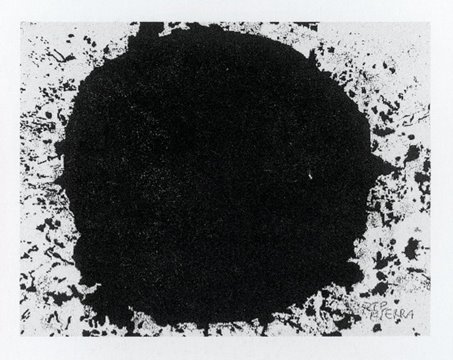
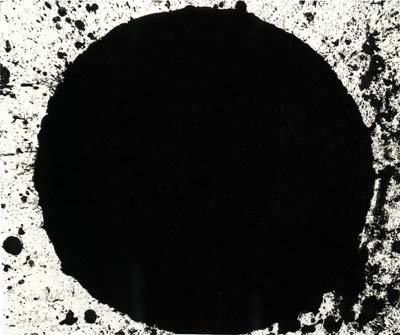
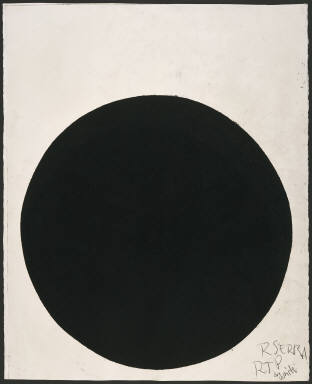
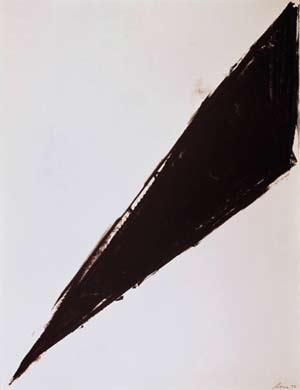
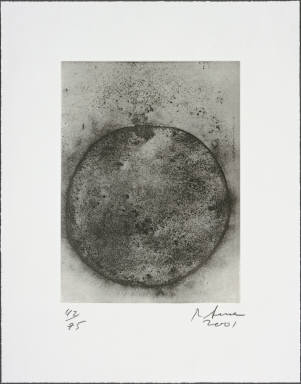
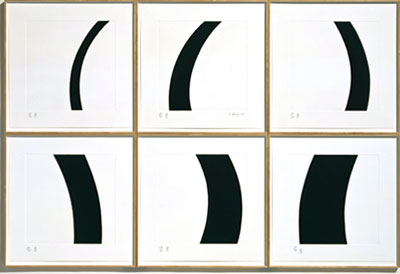
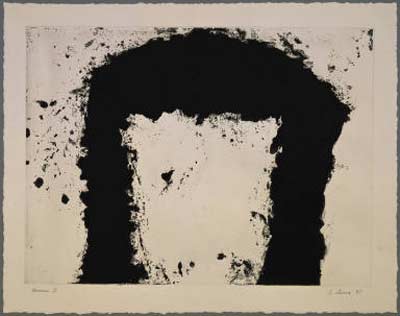
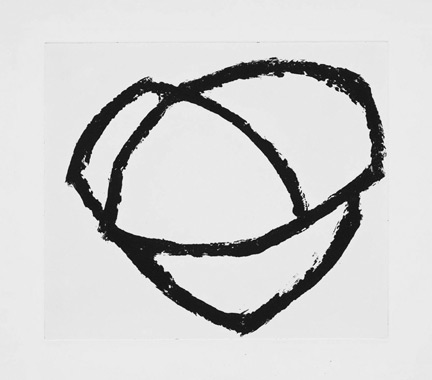
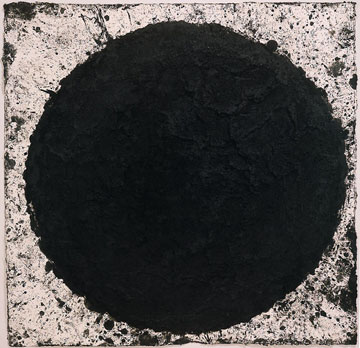
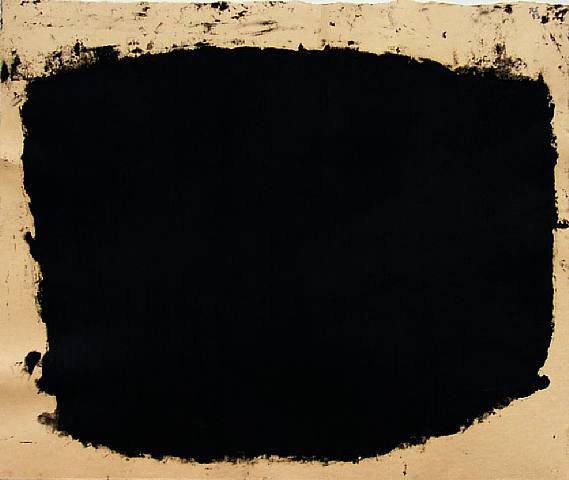
Richard Serra II

Sunny Rollins, 1999. Sunny Sonny?

Coltrane, 1999

Billie Holiday, 1999

Du Common, 1972

Galileo Galilei, 2001

The Line of the Curve, 2003

T.E. Vectors, 2000

Jump Start, 1999

Venice Notebook, #3, 2001

Burroughs , 1997


Buster Keaton I , 1993

Late September, 2001

10 janeiro 2006

Richard Serra

"And mainly when I was growing up here, the people who were the most influential were jazz musicians. Charles Mingus was here at the time. And I remember when I was about 16 or 17 I went into the Jazz Workshop and had a fake ID, and sat down and had a drink. And they were having a set in the afternoon. And there was a fan on; it was really loud, and Mingus was going through a set and they were recording, and the bartender turned the fan off and Mingus had an apoplectic fit—he just went completely crazy. He jumped over the bar and he practically throttled the guy. And he said, "That fan was one of my instruments." And it made me think, as someone who wanted to be an artist, that you had to pay attention all the time to everything that was going on, because everything was potential use if you could see its potential. I think later John Cage made that more clear to a lot of artists. But I was very, very young at the time and the Beat generation was starting. But I was more interested, not in the Beats, but in the Jazz Workshop here. Blacks were a big, big influence on me when I was growing up in San Francisco."

"E, principalmente quando eu estava a crescer aqui, as pessoas mais influentes eram músicos de jazz.Charles Mingus estava aqui na altura. E lembro-me, tinha eu 16 ou 17 anos, de ir ao Jazz Workshop com um falso BI, de me sentar e de tomar um copo. E eles estavam num "set", à tarde. E havia uma ventoínha ligada; era mesmo muito barulhento e Mingus ia a meio de um "set" e estavam a gravar e o empregado do bar desligou a ventoínha e o Mingus ia tendo um ataque - ficou completamente maluco. Saltou para o bar e praticamente estrangulou o tipo. E ele disse, "Essa ventoínha era um dos meus instrumentos". E isso fez-me pensar, enquanto alguém que queria ser artista, que tens de prestar atenção o tempo todo a tudo o que se está a passar, porque tudo é potencialmente utilizável se tu conseguires ver o seu potencial. Acho que depois o John Cage tornou isso mais claro para todos os artistas. Mas eu era muito, muito, jovem na altura e a Beat generation estava a começar. Mas eu estava mais interessado, não nos Beats, mas no Jazz Workshop daqui. Os negros tiveram uma grande, grande, influência em mim quando eu estava a crescer em S. Francisco".


"The existence of the sculpture, a series of concrete walls called Shift, has become a legend in King Township. 'What I wanted,' Serra wrote, 'was a dialectic between one's perception of the place in totality and one's relation to the field as walked'."
Heather Robertson, "Richard Serra: Shift ", BorderCrossings Magazine, nº 93


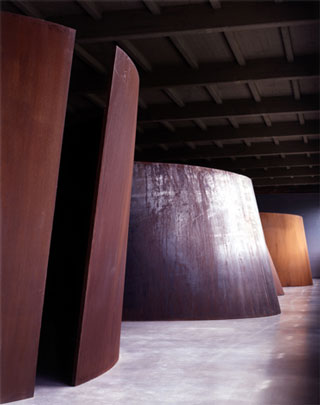
Torqued Ellipses 1997 New York

04 janeiro 2006

01 janeiro 2006

Juizo do Anno

Almanach do Antonio Maria para 1882, pág. 15


Almanach do Antonio Maria para 1883 e 1884, pág. 82

28 dezembro 2005

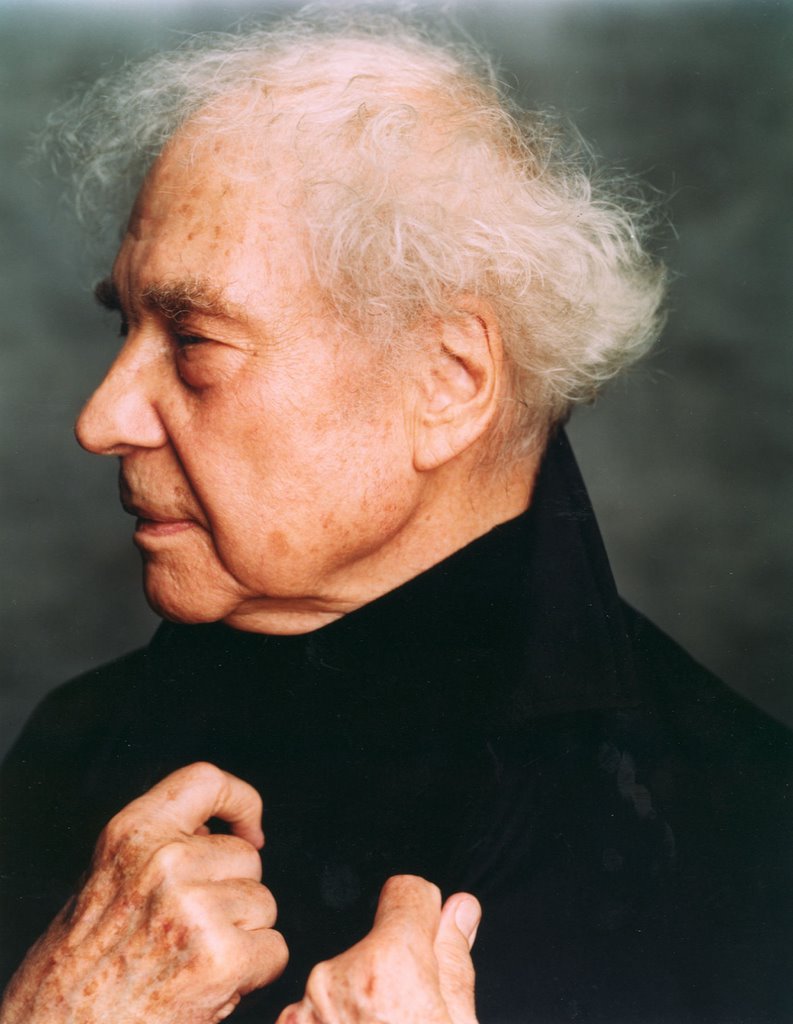
Para Merce (Cunningham)

Fotografia de Mark Seliger


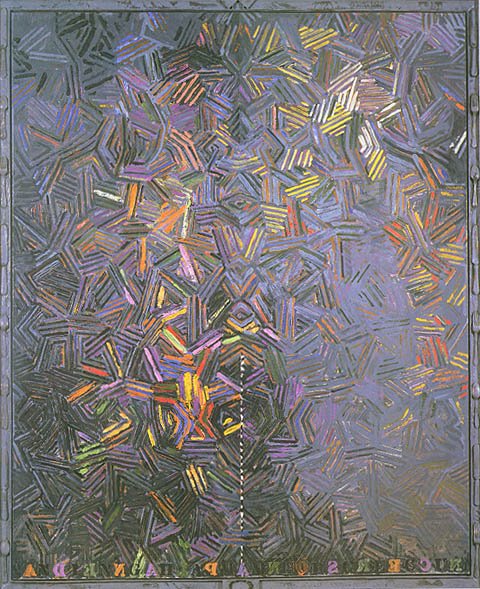
Dancers on a plane, 1980-1, Jasper Johns (1930 - )


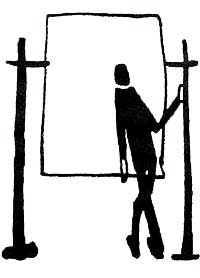
Cenografia de Jasper John para o espectáculo de Merce Cunningham, "Walkaround Time" (1968), baseado no "Grande Vidro" de Marcel Duchamp. Fotografia de James Klosty. "So beautiful..."

26 dezembro 2005

26 de Trezembro


"Ao anno, se bem me lembro,
Costuma o Tempo acabal-o
Em trinta e um de dezembro...
Este, quiz eu alongal-o,
Dando ao leitor de regalo
Um rico mez de tresembro!..."
(Almanach do Antonio Maria para 1883 e 1884, pág. 19)

17 dezembro 2005

Boas Festas!

(Cliquem no título...)

12 dezembro 2005

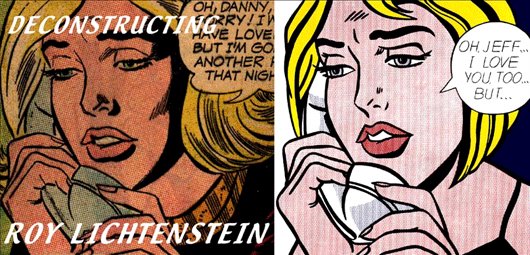
Deconstructing Roy Lichtenstein


Um projecto de David Barsalou que recolhe vinhetas das BD's originais de autores como Mike Sekowsky, George Tuska, ou Jack Kirby de que Roy Lichtenstein se apropriou, usando-as na sua obra. Barsalou, por sua vez, "apropria-se" de um conceito de Jacques Derrida.

08 dezembro 2005

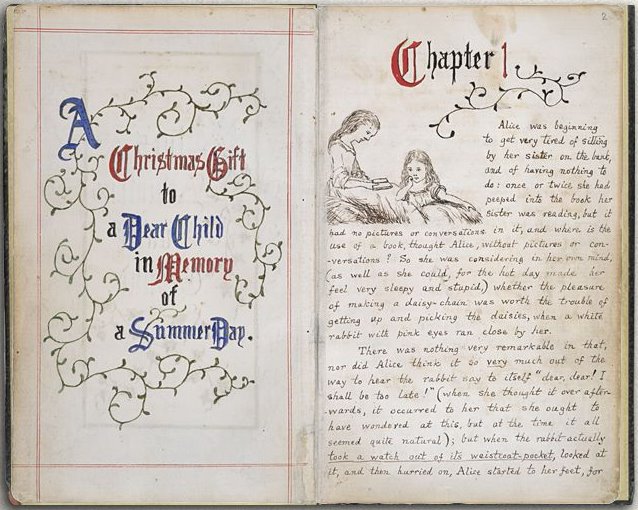
A Christmas gift


All in the golden afternoon
Full leisurely we glide;
For both our oars, with little skill,
By little arms are plied,
While little hands make vain pretense
Our wanderings to guide.

(Ao longo da tarde dolente
Deslizamos calmamente,
Pequenos braços manobrando
Que remam sem convicção,
Pequenas mãos fugindo em vão
Ir nosso curso comandando.)

Ah, cruel Three! In such an hour,
Beneath such dreamy weather,
To beg a tale of breath too weak
To stir the tiniest feather!
Yet what can one poor voice avail
Against three tongues together?

(Ah, Tríade cruel! A esta hora,
Neste tempo de encantar,
Pedir uma história agora,
Sem ar para mover uma pluma;
Mas de que serve reclamar
Contra três vozes à uma?)


Imperious Prima flashes forth
Her edict to "begin it"--
In gentler tones Secunda hopes
"There will be nonsense in it"--
While Tertia interrupts the tale
Not more than once a minute.

(Grita a Prima petulante:
- Começemos sem demora!
A Secunda mais amena
Pede que haja disparate;
Enquanto a Tertia recomenda
Que a moderação se acate.)

Anon, to sudden silence won,
In fancy they pursue
The dream-child moving through a land
Of wonders wild and new,
In friendly chat with bird or beast--
And half believe it true.

(Então, num silêncio imprevisto,
Perseguem na imaginação
A criança de sonho vagueando
Num reino de maravilha sem par,
Com bestas e aves falando;
E quase chegam a acreditar.)
And ever, as the story drained
The wells of fancy dry,
And faintly strove that weary one
To put the subject by,
"The rest next time"--"It is next time!"
The happy voices cry.


(Mas os poços da fantasia
Acabam sempre por secar;
E o contador de histórias, cansado
Tentou escapar como podia;
_O resto amanhã; - Já é amanhã!
Gritaram as vozes com afã.)

Thus grew the tale of Wonderland:
Thus slowly, one by one,
Its quaint events were hammered out--
And now the tale is done,
And home we steer, a merry crew,
Beneath the setting sun.

(Assim nasceu a história do País das Maravilhas:
Assim, um por um, lentamente,
Se desfiaram seus estranhos eventos-
E agora a história acabou,
E remamos para casa alegremente
Debaixo do sol que baixou.)
Alice! a childish story take,
And with a gentle hand
Lay it where Childhood's dreams are twined
In Memory's mystic band,
Like pilgrim's withered wreath of flowers
Plucked in a far-off land.

(Alice! Uma história tão pueril!
E, com uma mão gentil,
Guardemo-la onde os sonhos de infância
Se enlaçam no coração da memória,
Como a murcha grinalda do viajante,
Colhida numa terra distante.)
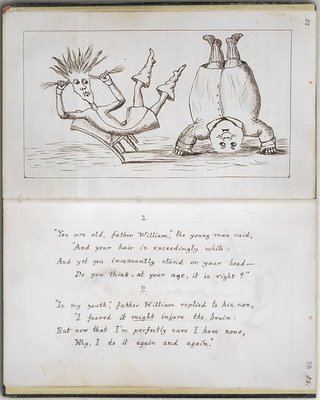

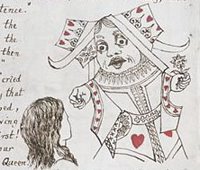
Lewis Carrol, All In The Golden Afternoon (As Aventuras de Alice no País das Maravilhas e Alice do Outro lado do Espelho, versão traduzida por Margarida Vale de Gato, na Editora Relógio D'Água).


Prima, Secunda e Tertia seriam, segundo o biógrafo e escritor de livros infantis Roger Lancelyn Green, as três irmãs Lidell: Lorina, Alice e Edith, respectivamente.


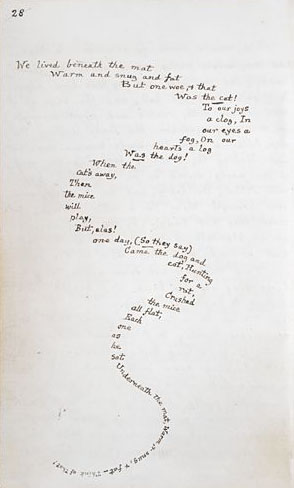
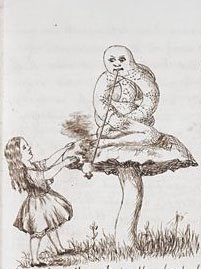
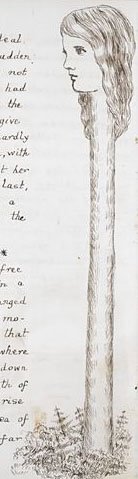
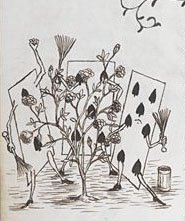
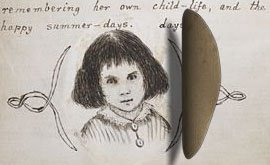
As Aventuras de Alice no País das Maravilhas, originalmente As Aventuras de Alice Debaixo da Terra, são as histórias contadas e depois escritas e oferecidas por Charles Lutwidge Dodgson (Lewis Carroll), matemático e cónego da igreja de Cristo, a Alice. Podem ouvir a história e folhear cudadosamente o manucrito oferecido, aqui, página após página.

01 dezembro 2005

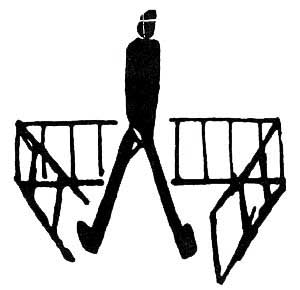
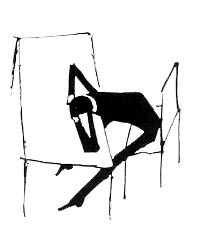
"They come out of the dark to vanish into the dark"


Desenhos de Franz Kafka.

"It is easy to recognize a concentration in me of all my forces on writing. When it became clear in my organism that writing was the most productive direction for my being to take, everything rushed in that direction and left empty all those abilities which were directed toward the joy of sex, eating, drinking, philosophical reflection and above all music...
Naturally, I did not find this purpose independently and consciously, it found itself, and is now interfered with only by the office, but that interferes with it completely...
My developement is now complete and, so far as I can see, there is nothing left to sacrifice; I need only throw my work in the office out of this complex in order to begin my real life".

Dos Diários (1910-1913) de Franz Kafka (1883 – 1924), em tradução inglesa (de Joseph Kresh para a Schocken Books de Nova Iorque, 1949, p.211).